
AI Brand Photography vs Traditional: Cost, Quality, and Timeline
Table of contents:
Hiring A Traditional Brand Photographer | DIYing your AI Brand Photography | Hiring-An-AI-Creative-Director | The Side-by-Side Comparison | What Luxe Brands Are Using AI For Brand Photography? | Book A Creative Director
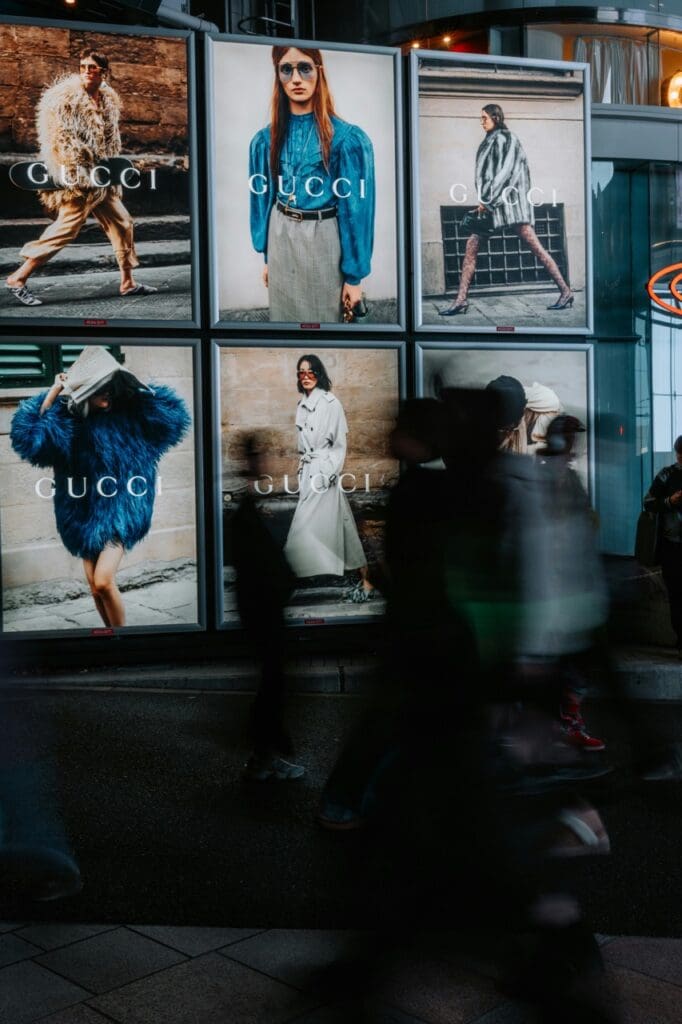
A 2023 study found that 94.1% of online shoppers say product images directly influence their purchase behavior, and 83.6% say visual presentation drives their buying decisions. The debate around AI brand photography vs traditional is changing how brands think about their campaigns, and the brands paying attention are pulling ahead. Your brand images are the storefront, the first impression, and the brand promise, all delivered in a single frame. It either builds trust or quietly unravels it.
AI brand campaigns are no longer a niche conversation happening at the edges of the industry. It is the creative and commercial decision that founders, marketing directors, and visual strategists are actively navigating right now. And for the first time ever, small and mid-size brands have the opportunity to look just as luxurious as the bigger brands without the massive brand campaign production budget.
Navigating AI brand photography vs traditional comes down to three paths: hiring a traditional photographer and creative director, DIYing brand imagery through AI tools, or partnering with an AI Creative Director. This article breaks down all three so you can confidently make the right call for your brand and your budget.
Option 1: Hiring A Traditional Brand Photographer
A skilled brand photographer brings genuine craft to a brand. A trained eye for light, composition, and atmosphere. The ability to make a product feel alive in a frame. That skill is real, and the art of it should always be respected.
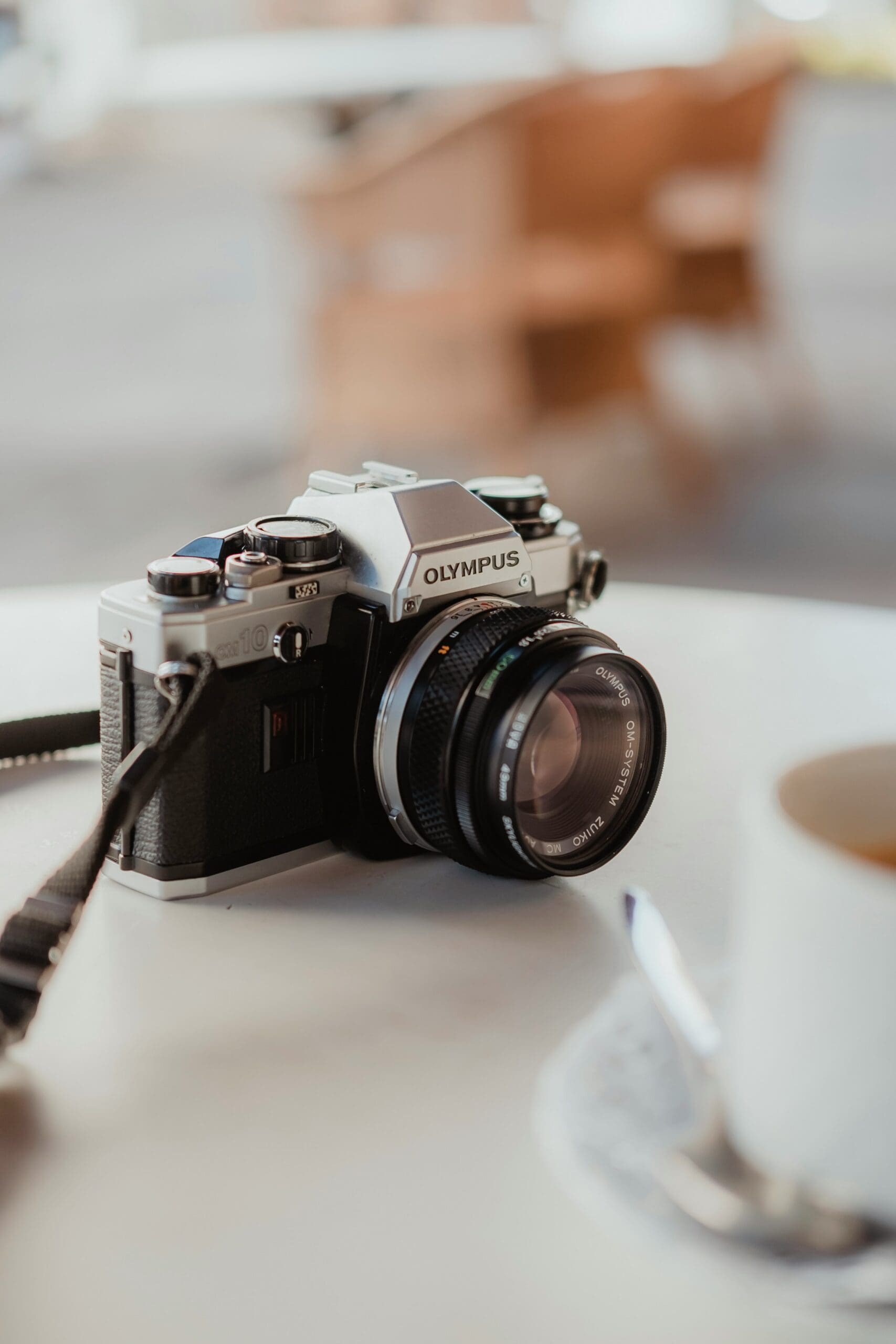
What most new and smaller brands don’t realize until they’re already deep in the process: a true brand campaign doesn’t run on a photographer alone. It also requires a creative director to shape the vision, the mood, the story, and the visual language before the photographer ever picks up a camera. Two separate roles, two separate fees, and at least 3 separate schedules, including yours.
The Hidden Cost of a Traditional Brand Campaign
Hidden costs add up fast. Studio or on-location rentals, props, licenses, a possible set build, a possible model, HMUA, and the logistics of coordinating it all. By the time shoot day arrives, the brand has already spent a significant amount of time and money.
Then the shoot happens. And then there is still more waiting.
Why? True brand campaign imagery does not leave the studio the way it looked on set. Furthermore, every deliverable moves through post-production first. Color grading, retouching, compositing, and editing that can stretch weeks beyond shoot day. Additionally, most photographers charge separately for extensive post-production work because it is time-consuming and skilled labor in its own right.
The cost, quality, and timeline reality: Traditional photography produces beautiful imagery, but a full brand campaign means multiple vendors, multiple invoices, and a timeline measured in weeks to months. Consequently, what feels like one shoot is rarely just one invoice. And when a new product launches or a campaign needs refreshing, that entire cycle starts again from scratch.
Option 2: DIYing your AI Brand Photography
AI tools are more accessible and more capable than they have ever been. A founder can open a platform today, generate product imagery within the hour, and publish it before the end of the day. On the surface, that sounds like a creative breakthrough, but for most brands, it becomes a quiet credibility problem.
The software does not know your brand, your customer, your aesthetic, the feeling you have spent months trying to build, or the story your imagery needs to tell. It only knows the prompt it was given. And most founders, through no fault of their own, are not trained to build a brand world. They are trained to run a business.
Where DIY AI Brand Photography Falls Short
Without a strong creative foundation behind it, AI photography becomes generic almost immediately. Furthermore, output from one image looks entirely different from the next, even for the same product or model, leaving a brand’s visual presence feeling disjointed and inconsistent.
Sure, you might get a few images that feel consistent, but maintaining that without AI creative training is next to impossible. As a result, the founder ends up absorbing the roles of creative director, photographer, and retoucher all at once, without the time, the patience, or the bandwidth that the AI learning curve actually demands.
Ultimately, content that lacks creative direction fills a social feed or website without building an identity. Moreover, brand perception is everything, and a customer makes a judgment in less than a second. In fact, without proper AI creative training, your audience can feel when something was generated rather than crafted, even when they cannot articulate exactly why.
The cost, quality, and timeline reality: DIY AI tools have the lowest upfront cost and the fastest turnaround, but without a trained AI creative, the quality ceiling is low, and the brand consistency cost is high. Consequently, fast and cheap without a strategy produces exactly that.
Option 3: Hiring An AI Creative Director
When comparing AI brand photography vs traditional on paper, the numbers favor AI. However, the more meaningful distinction is not choosing AI vs traditional. It’s offering small and mid-size brands the opportunity to look just as luxurious as bigger brands without the massive production budget.
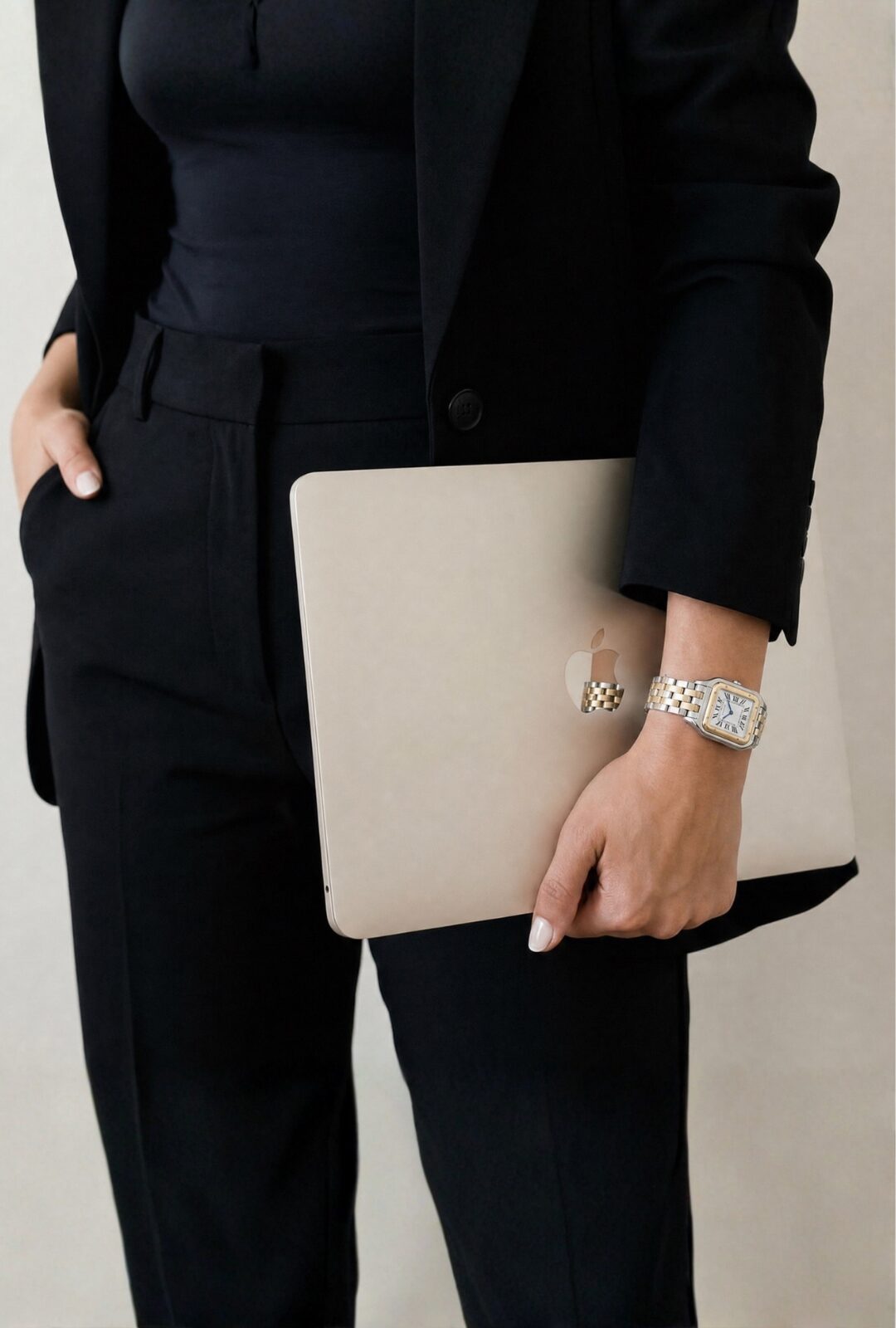
An AI creative director brings everything a traditional photographer and creative director bring to a brand campaign: the vision, the composition, the storytelling, the aesthetic precision, without the camera, the studio, the scheduling conflicts, or the production overhead. Two roles consolidated into one creative partnership, built entirely around your brand
Understanding light, lens, depth, composition, and post-production is not optional for an AI creative director. It is the foundation, the same as it is for any photographer. Knowing how directional light behaves on a glass serum bottle, how a wide aperture creates the depth that makes an image feel editorial, and how color grading shifts the emotional temperature of a scene. That knowledge shapes every image produced. The camera is simply no longer the instrument it moves through. The computer is.
And there are two things an AI creative director can offer that the traditional route simply cannot match on a smaller brand budget: a consistent brand model and exotic dream shoot locations, without the travel, the talent fees, or the green screen workaround. Two advantages that were previously exclusive to bigger brand budgets are now also available to smaller brands.
1. AI Campaign Model
An AI creative director can create an exclusive model for your brand, designed around your aesthetic, your target demographic, and creative point of view. That model will consistently show up across every campaign, every platform, and every season without casting calls, scheduling conflicts, or day rates. For brands that want signature continuity, this is a great option as the same model anchors every launch and builds recognition over time. For brands that prefer to keep things fresh, a new model can be used for each new campaign. Ultimately, it comes down to preference, but it’s a nice option to have either way.
2. Location Without Logistics
Picture your dream photoshoot location. At this moment, could your brand realistically afford to shoot there? A sun-drenched terrace in Italy. A grand estate in the French countryside. A breathtaking mountain ridge in the Alps. Until now, locations like these required major production budgets, international logistics, and weeks of coordination just to pull off a single campaign. An AI brand campaign allows your brand to exist in any of these worlds. No flights. No location fees. No logistical overhead. The vision leads, and the location follows.
The cost, quality, and timeline reality: AI brand photography with a creative director delivers campaign-quality imagery at a fraction of the cost of a traditional campaign, with a much faster turnaround time. Furthermore, brand owners working with an AI creative director can now afford four cohesive seasonal campaigns annually. That level of visual consistency was previously out of reach for smaller brands on a limited budget.
AI Brand Photography vs Traditional: The Side-by-Side
| Traditional Photography | DIY AI Tools | AI Creative Direction | |
|---|---|---|---|
| Upfront cost | High (multiple vendors) | Low | Mid |
| Timeline to first image | Weeks to months | Hours | Days |
| Brand consistency | Strong (if creative directed) | Low | Strong |
| Scalability | Expensive to scale | Easy but generic | Scales with strategy |
| Location flexibility | Limited by budget | Unlimited but undirected | Unlimited and directed |
| Creative strategy included | Separate fee | None | Included |
Even the Luxe Brands Are Starting to Use AI Brand Photography vs Traditional for Campaigns
The conversation around AI brand photography vs traditional has moved past the question of quality. The biggest houses in the world have already made their decision.
Gucci, Valentino, Balenciaga, and Moncler have all integrated generative AI into their campaign production. Balenciaga debuted AI-generated imagery across an entire runway of LED screens at Paris Fashion Week. Moncler produced fully AI-generated campaigns alongside creative studio Maison Meta. Guess launched the first fully AI-generated fashion campaign ever published in Vogue. And Zalando reported that 70% of their 2024 editorial campaigns were AI-generated, cutting production costs by as much as 90%.
These are not emerging brands experimenting with new technology. These are the houses that set the creative standard for the entire industry. And they are already here.
For the first time in the history of this industry, that standard is no longer exclusive to brands with the infrastructure and the budget to match it. A small or mid-size brand working with an AI creative director today has access to the same level of visual production that Gucci and Valentino are investing in at the top of the market.
And the opportunity goes beyond individual campaigns. Instead of stretching one or two shoots across an entire year, brands working with an AI creative director can now afford a full quarterly seasonal campaign. Four cohesive visual moments per year, each one feeling current, intentional, and on-brand, without the production overhead that used to make that kind of output impossible for anyone outside the top tier of the industry.
Ready to See What An AI Creative Director Can Do for Your Brand?
At Presley and Poppy, we help beauty, wellness, fashion, and hospitality brands create campaign-quality visuals that compete with the biggest names in their space, without the six-figure production budget.
If you are curious whether AI creative direction is the right fit for your next campaign, product launch, or content strategy, let’s chat!
Where creative direction begins →
And if you want to explore the full range of services, from website design to AI brand campaign offerings and partnerships, you can view all services here: presleyandpoppy.com→
