
AI Product Photography for Ecommerce: No Photoshoot Needed
Table of Contents:
What Is AI Product Photography for Ecommerce? | Why Brands Are Choosing AI Product Photography for ecommerce | The Real Cost of Traditional Brand Photography | What AI Product Photography Can Do for Your Brand Ecommerce Brand | The Custom AI Model: Your Brand’s Face, Every Time | Where AI Wins: Campaigns, Launches, and Social Content | Where Photographers Still Win: High-SKU Catalogs | The Hybrid Strategy: Combining AI and Traditional Photography | What to Look for in an AI Creative Director | Hiring a Creative Director
What Is AI Product Photography for Ecommerce?
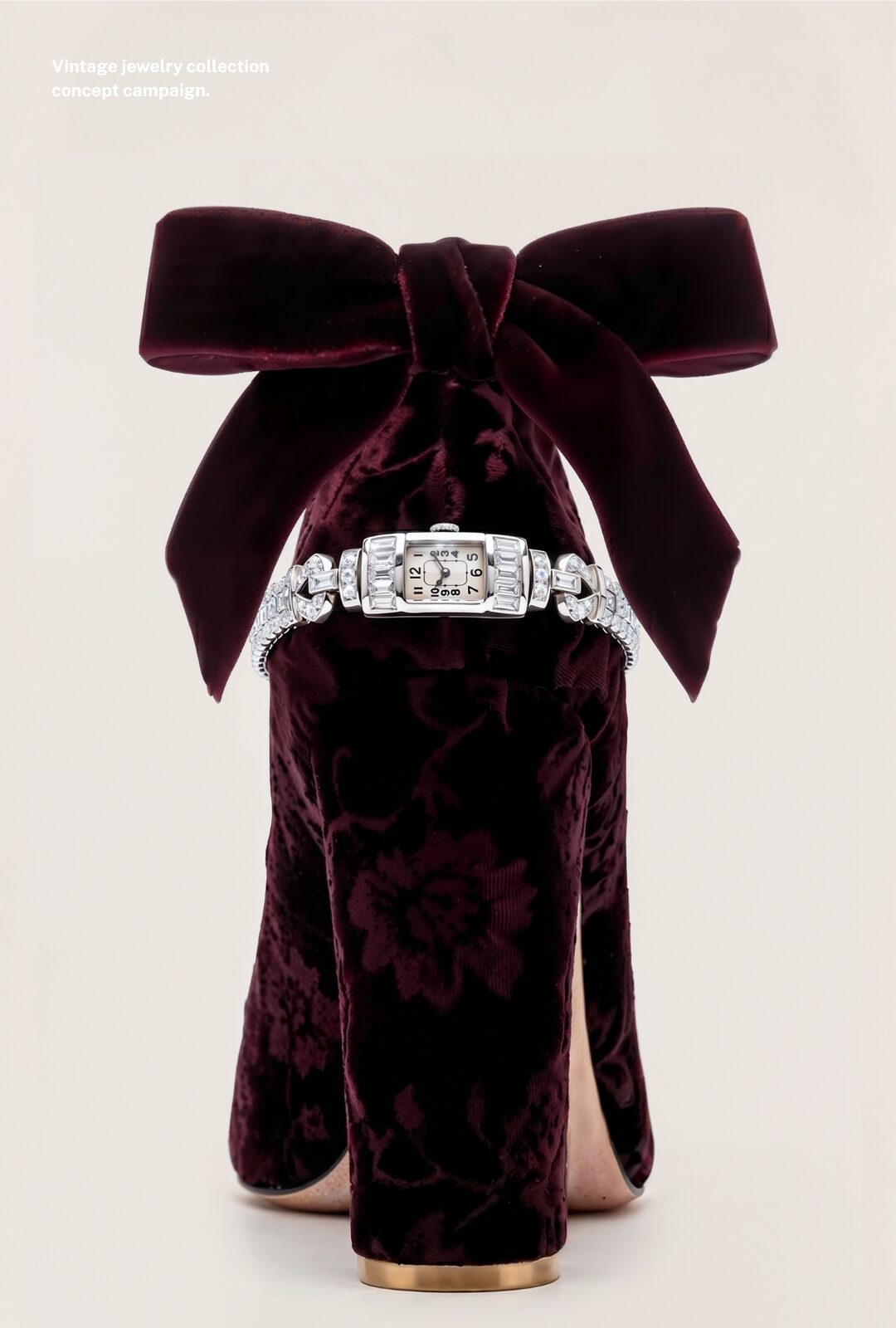
AI product photography is the use of artificial intelligence tools, guided by a skilled creative director, to generate, composite, and stylize product imagery without a traditional studio shoot. Instead of booking a location, hiring a photographer and production team, and spending days on set, brands can produce high-end campaign visuals in a fraction of the time and cost.
The keyword here is guided. AI product photography is not a button you push and walk away from. It requires intentional creative direction and a trained eye for brand aesthetics, lighting, composition, lens selection, and visual storytelling to create imagery that feels elevated, cohesive, and distinctly on-brand rather than generic.
When done right, the output is indistinguishable from a $30,000 studio shoot. When done without strategic direction, it shows.
Why Brands Are Choosing AI Product Photography for Ecommerce
The ecommerce space is more competitive than ever. For beauty, wellness, fashion, and hospitality brands, visual content is not a nice-to-have. It is the brand. Every image you publish either builds or loses trust with your customer.
The problem is that producing luxury-level visuals has historically required a luxury-level budget. Large brands with deep pockets could afford stunning campaign photography multiple times a year. Small and mid-size DTC brands had to stretch one shoot across twelve months of content.
AI product photography changes that equation entirely. It gives independent and emerging brands access to the same visual quality that used to be reserved for brands with six-figure production budgets, without the overhead.
The Real Cost of Traditional Brand Photoshoots
Let’s be transparent about what a traditional brand campaign actually costs.
A standard brand photography campaign typically runs between $10,000 and $50,000 per shoot. That includes a photographer, creative director, stylist, hair and makeup, location or studio rental, lighting crew, and post-production. For a seasonal campaign, that investment happens three to four times a year.
That cost breaks down across:
- Photographer day rate: $2,000–$8,000
- Creative direction: $1,500–$5,000
- Styling and props: $500–$3,000
- Location or studio rental: $1,000–$5,000
- Hair, makeup, and talent: $500–$3,000
- Post-production and retouching: $1,000–$5,000+
- Travel and logistics: Variable
For a small beauty brand launching a new product, or a wellness brand refreshing their seasonal campaign, these numbers are often prohibitive. Many brands opt out of campaigns entirely and rely on user-generated content, which is inconsistent and nearly impossible to scale.
AI product photography eliminates most of these line items while retaining the one that matters most: strategic creative direction.
EXPLORE RELATED ARTICLE → AI Brand Photography vs. Traditional
What AI Product Photography Can Do for Your Ecommerce Brand
With the right creative direction, AI-generated product imagery can produce:
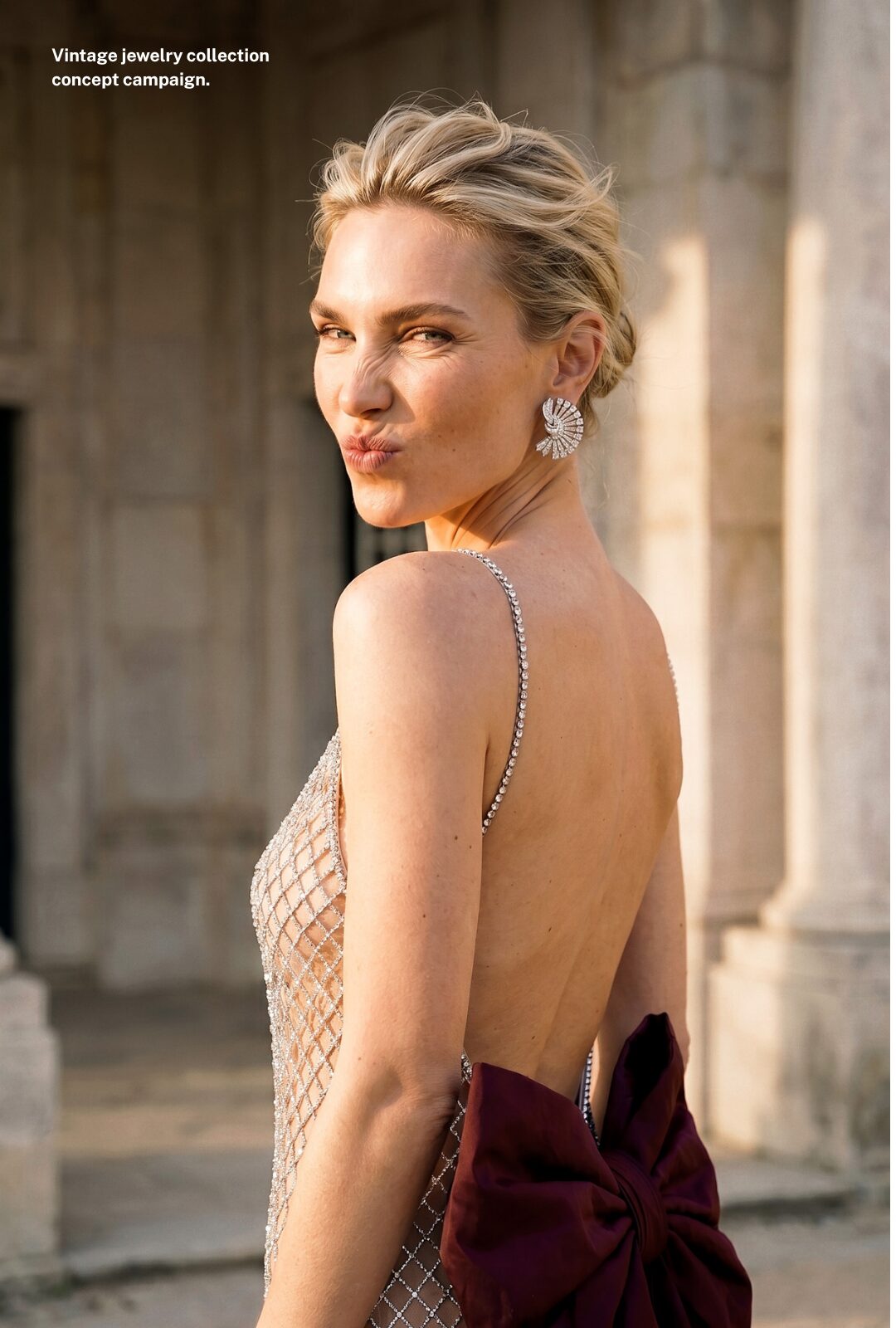
Brand campaign visuals that feel editorial and aspirational, the kind of imagery you would see in a full-page spread or on the homepage of a luxury retailer.
Seasonal and holiday content produced quickly and cost-effectively, so your brand stays timely without scrambling for a last-minute shoot.
Product launch imagery that creates buzz before a product even ships, giving your marketing and PR teams something compelling to work with from day one.
Social media content that is consistent, on-brand, and built for the platform, whether that is a cinematic flat lay for Instagram or a moodboard-inspired carousel for Pinterest.
Lifestyle and environment shots that place your product in a world your customer wants to live in: a coastal bathroom, a minimalist kitchen, a boutique hotel room, without ever leaving your desk.
The visual possibilities are expansive. And because there is no set to build and no crew to schedule, iterations and creative pivots happen in days, not weeks or months.
The Custom AI Model: Your Brand’s Face, Every Time
One of the most exciting and underutilized capabilities in AI creative direction right now is the ability to build a fully custom AI model for your brand. And it is changing what brand consistency actually looks like for small and mid-size ecommerce companies.
Traditionally, hiring a model meant scouting talent, negotiating rates, booking hair and makeup, and scheduling around availability. Then, hoping the chemistry between your product and the person wearing it actually translates on camera. For a seasonal campaign, that process repeats itself over and over, often with different talent each time. The result is a fragmented visual identity where your spring campaign looks nothing like your fall campaign, and your customer never quite connects a face to your brand.
AI has changed this completely.
No Casting Calls. No Agencies. No Limits.
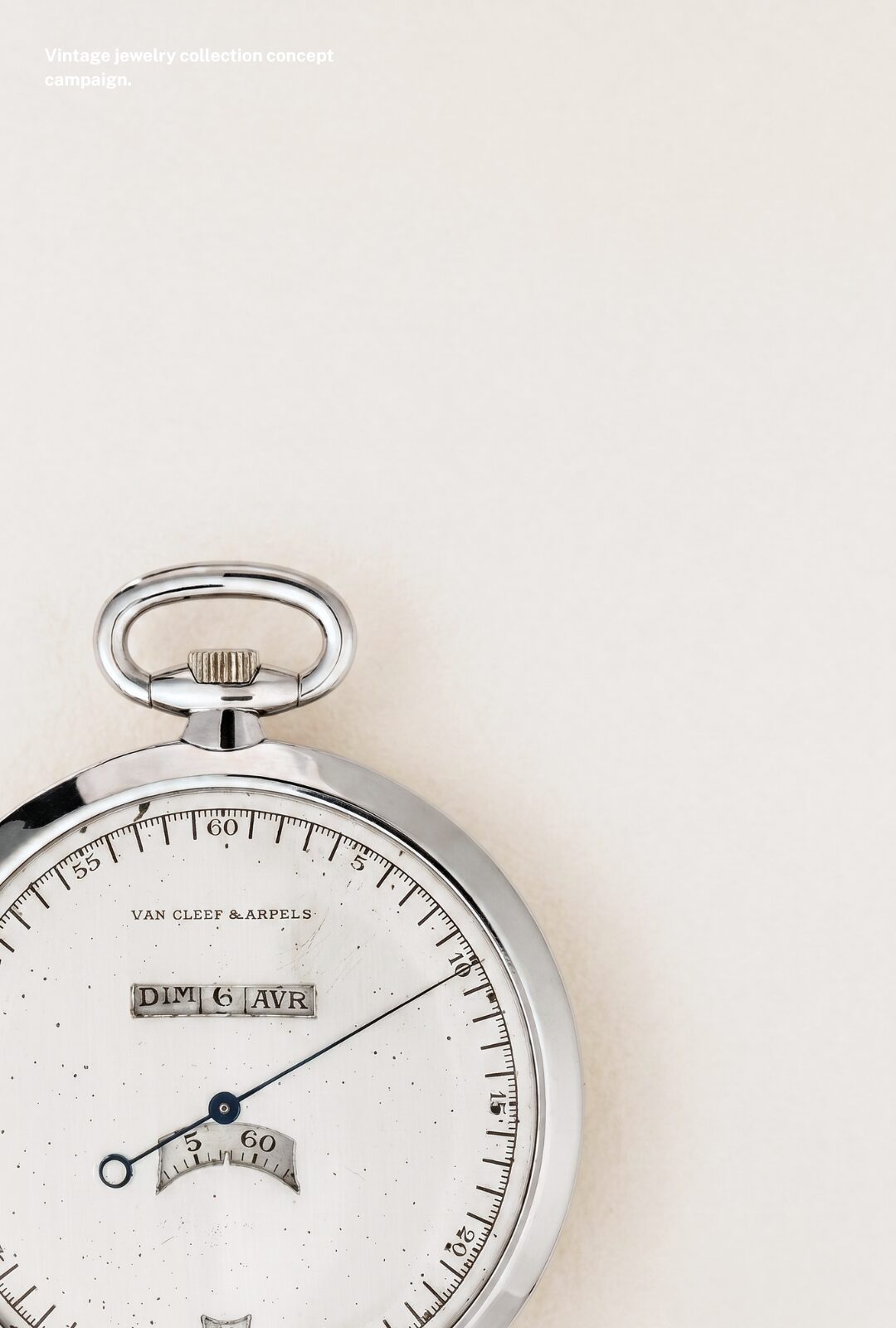
A skilled creative director can now build a custom AI model from the ground up. One that represents your brand’s aesthetic, demographic, and personality with complete consistency across every campaign. And the realism is extraordinary. Today’s AI models are extraordinarily realistic. Visible pores, natural micro-hairs, accurate skin tone response to light, and facial expressions that read as genuinely human. The technology has moved far beyond the uncanny valley that defined early AI imagery.
What this means for your brand in practice:
You own your model. Once a custom AI model is developed for your brand, she or he becomes a brand asset. You are not re-booking, re-negotiating, or hoping your talent is available when your next launch drops.
You control everything. Skin tone, hair texture, age, body type, expression, styling. Every element is intentional and on-brand, chosen to speak directly to your customer.
Consistency across every campaign. Every campaign, launch, and social ad can feature the same face (if you prefer). That consistency builds brand recognition in a way that rotating talent never could.
The cost savings are significant. Model day rates, agency fees, usage rights — these are real costs that compound quickly, especially when you are producing content across multiple campaigns a year. A custom AI model eliminates all of it after the initial creative development investment.
The Beauty Industries New Best Kept Secret
For beauty and skincare brands especially, this is a game-changer. Close-up skin shots, serum application, and texture detail can now be produced with stunning realism and complete creative control. The same applies to fashion brands building a consistent lookbook, and wellness brands anchoring their identity around an aspirational presence.
This is not about replacing human connection. It is about giving small brands the same creative leverage that major houses have always had. And if you think luxe brands are not already taking advantage of AI, think again.
EXPLORE RELATED ARTICLE → AI Brand Photography: The Complete Guide for Modern Brands
Where AI Wins: Campaigns, Launches, and Social Content
AI product photography delivers the highest value for brands in three specific contexts.
Brand Campaign Shoots
If your brand has fewer than 30 SKUs and you are planning a seasonal campaign, a brand refresh, or a product launch, AI creative direction is almost always the smarter investment. You get campaign-quality visuals at a fraction of the cost, with faster turnaround and flexibility.
New Product Launches
Speed matters at launch. AI allows a creative director to build out a full visual story around a new product, lifestyle imagery, detail shots, and campaign hero images. Your marketing assets are ready the moment your product is ready to launch.
Social Media Content at Scale
Consistent, high-quality social content is one of the most expensive and time-consuming challenges for DTC brands. AI creative direction makes it possible to show up every quarter with fresh, on-brand visuals across Instagram, Pinterest, TikTok, and email, without the overhead.
Where Photographers Still Win: High-SKU Catalogs
This is something most AI creative directors will not tell you. If your ecommerce brand carries more than 30 SKUs, a traditional photographer is still your best investment for individual product shots at this current time.
Simple lightbox-style product photography with a clean white background and bright lighting is something an experienced photographer can produce quickly and efficiently. These are the images that live on your product pages, show up in Google Shopping, and give customers a clear, accurate view of exactly what they are purchasing. They are functional, not editorial.
There is not much creative direction behind a lightbox shot, and there does not need to be. A skilled photographer can move through dozens of products in a single shoot day and deliver consistent, clean results. Hiring a creative director for that process would be inefficient and honestly unnecessary.
AI product photography excels at creating worlds around your products. It is not optimized for the systematic cataloging of individual SKUs where technical accuracy matters most. For that, a photographer with a lightbox setup and a solid workflow is still the right call.
The Hybrid Strategy: Combining AI and Traditional Photography for Ecommerce
For brands with larger catalogs, the smartest approach is a hybrid model, and it is the one we recommend most often at Presley and Poppy.
Hire a photographer for individual product shots across your full SKU catalog, white or clean background images for your product detail pages, and any technical shots that require accuracy for sizing.
Hire an AI creative director for seasonal brand campaigns, new product launches, hero imagery, social media content calendars, lifestyle and editorial imagery, and anything that requires atmosphere, environment, or storytelling.
This approach gives you the functional catalog imagery you need for your ecommerce backend, and the elevated campaign content that builds your brand at the front end, without overpaying for either.
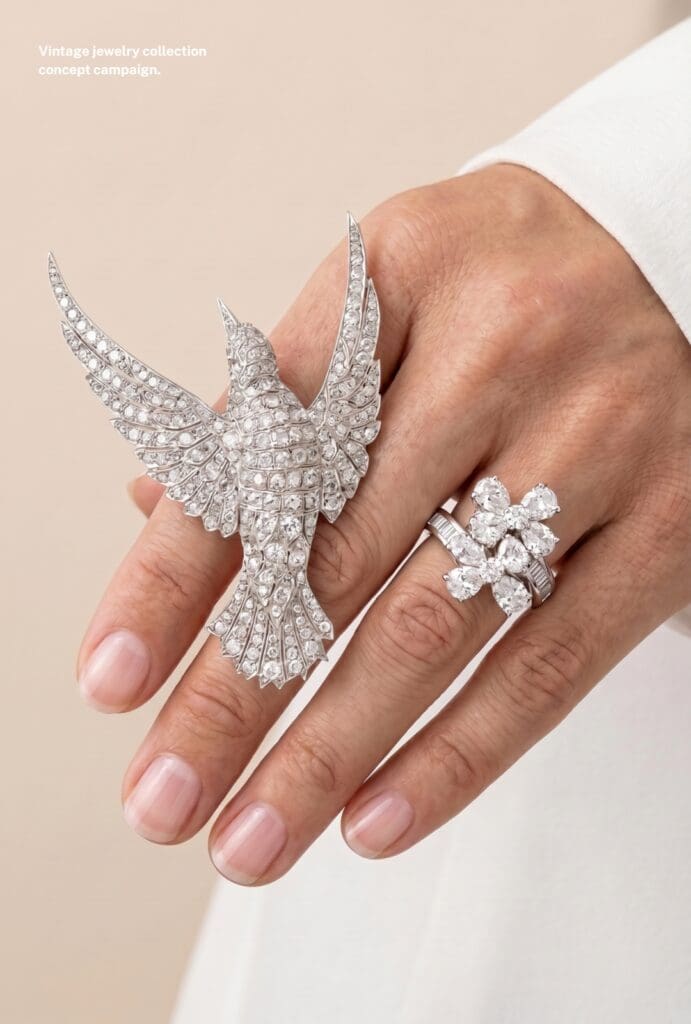
Take a brand with 50+ jewelry SKUs. A photographer can efficiently move through the full catalog, delivering clean and consistent lightbox shots, front, back, side, and 360-degree angles, for around $500–$2,000. From there, AI creative direction takes over for seasonal campaigns, product launches, and social content. The result is a complete visual strategy that covers every need without overspending on either end.
EXPLORE RELATED ARTICLE → AI Product Photography for Jewelry Brands
EXPLORE RELATED ARTICLE → AI Product Photography for Beauty and Skincare Brands
What to Look for When Hiring an AI Creative Director for Your Ecommerce Brand
Not all AI-generated imagery looks the same, because not all creative direction is the same. When vetting someone to lead your AI product photography, here is what actually matters.
A strong aesthetic point of view. Can they show you a portfolio with a consistent, elevated visual identity? AI tools are only as good as the eye directing them. If their portfolio looks like a variety pack, keep looking.
Brand fluency. Do they ask about your brand values, your customer, your competitors, and your visual references before they start generating anything? A good creative director leads with strategy, not software.
Transparency about process and timelines. AI product photography still takes time. A professional will set realistic expectations rather than promise overnight turnaround on a full campaign.
Experience in your niche. Look for someone with experience in your niche. Beauty, wellness, hospitality, and fashion each speak a different visual language. You want someone who understands those differences intuitively and knows how to translate them into imagery that feels right for your brand.
A clear scope and pricing structure. AI does not mean cheap, and it should not. The technology streamlines production, but the creative strategy, brand expertise, and artistic vision behind it are worth every dollar. A professional AI creative director brings the same level of skill and intentionality as a traditional creative director. The difference is efficiency, not a discount.
Ready to See What AI Creative Direction Can Do for Your Brand?
At Presley and Poppy, we help beauty, wellness, fashion, and hospitality brands create campaign-quality visuals that compete with the biggest names in their space, without the six-figure production budget.
If you are curious whether AI creative direction is the right fit for your next campaign, product launch, or content strategy, let’s chat!
Where creative direction begins →
And if you want to explore the full range of services, from website design to AI brand campaign offerings and partnerships, you can view all services here: presleyandpoppy.com→
